
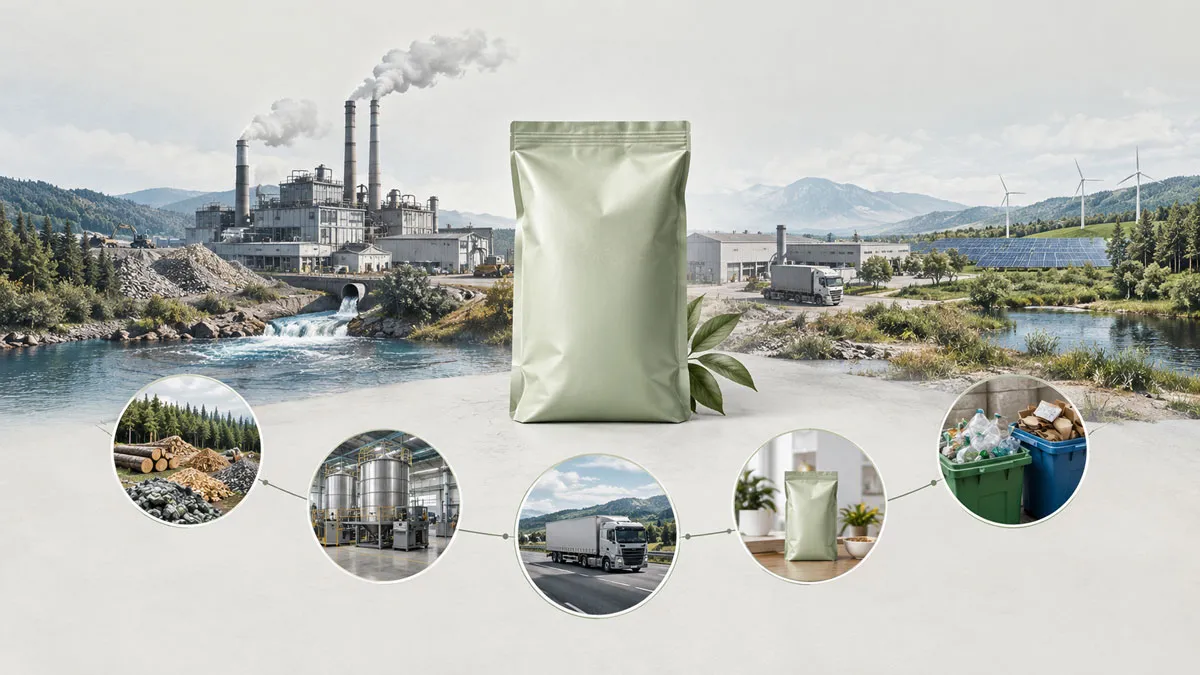
Environmental responsibility has become an important factor in how people choose products, evaluate businesses, and understand corporate behavior. Many companies now promote their efforts to reduce pollution, conserve resources, and address climate change. However, not every environmental claim reflects genuine progress. Some businesses exaggerate their achievements or present misleading information to appear more environmentally responsible than they really are. This practice is known as greenwashing.
Understanding greenwashing requires more than looking at product labels or environmental advertising. Consumers must examine the evidence behind sustainability claims, consider the full environmental impact of products, and distinguish measurable improvements from marketing language. Recognizing these differences leads to more informed purchasing decisions and greater accountability for businesses.
Understanding Greenwashing
Greenwashing occurs when a company, organization, or other entity creates a false or misleading impression of its environmental performance. It can involve exaggerated claims, incomplete disclosures, vague promises, or images that suggest environmental benefits without sufficient evidence.
The term combines the idea of being environmentally friendly with the concept of misleading public perception. A company might advertise a product as sustainable while ignoring the pollution generated during manufacturing, the resources used in production, or the waste created after disposal.
Greenwashing does not always involve a completely false statement. A company may highlight a genuine improvement but present it in a way that exaggerates its significance. For example, a manufacturer might reduce the amount of plastic in one package while promoting the entire product line as environmentally friendly without considering its other impacts.
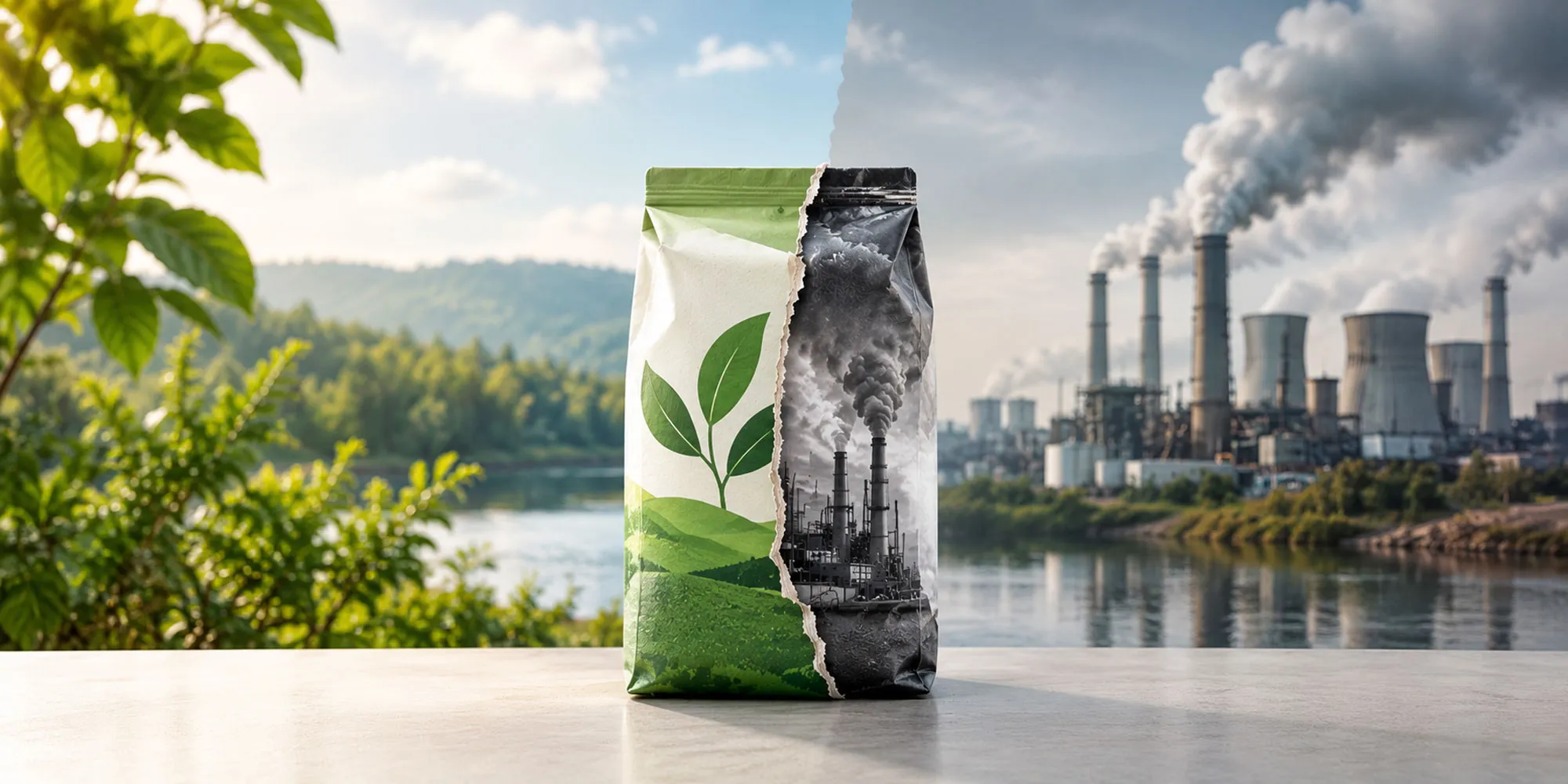
The central issue is the gap between the environmental impression a claim creates and the evidence supporting it. A credible environmental claim should be accurate, specific, relevant, and supported by reliable information.
Common Types of Greenwashing
Greenwashing takes several forms. Some involve direct misrepresentation, while others rely on selective information or marketing techniques that encourage consumers to draw unsupported conclusions.
Vague Environmental Claims
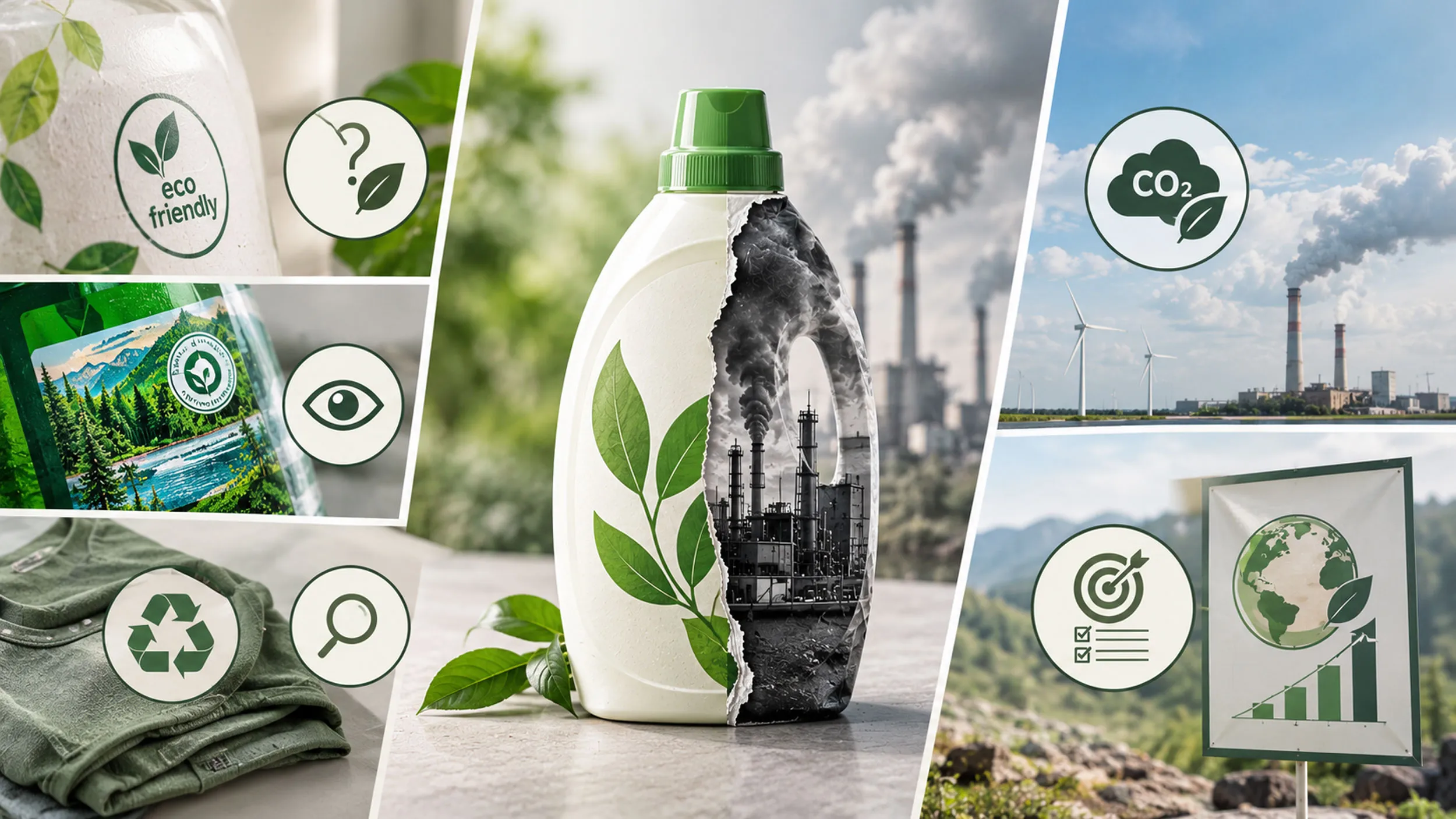
Words such as “green,” “natural,” “clean,” and “eco-friendly” can create a positive impression without explaining what makes a product environmentally preferable. These terms become particularly misleading when a company offers no clear definition, supporting evidence, or description of the specific benefit.
A detergent described as environmentally friendly, for instance, may contain ingredients that affect aquatic ecosystems. Without information about its composition, toxicity, packaging, and disposal, the general claim says little about its actual environmental performance.
Misleading Labels and Imagery
Packaging often uses green colors, leaves, forests, water droplets, and wildlife images to suggest environmental responsibility. These visual elements are not proof of sustainability. A product may use nature-inspired branding even when its ingredients, manufacturing methods, or packaging create substantial environmental impacts.
Unfamiliar certification symbols can create a similar problem. Some labels represent established standards, while others may be company-created graphics with limited or unclear criteria. Consumers should distinguish independent certification from a marketing symbol designed by the seller.
Selective Disclosure of Environmental Benefits
A business may emphasize one improvement while concealing other important environmental costs. This practice is sometimes called selective disclosure or the single-attribute fallacy.
For example, a clothing brand might promote a shirt made from recycled fibers without discussing water consumption, chemical processing, manufacturing emissions, or the product’s expected lifespan. Recycled materials can offer real benefits, but one positive feature does not establish that the entire product is sustainable.
Unsupported Carbon Neutrality Claims
Some companies describe products, services, or operations as carbon neutral based on carbon credits or other offsetting arrangements. Such claims can create a misleading impression if the business fails to account for its emissions accurately or overstates the environmental benefits of its offset projects.
Carbon offsets and emissions reductions are not interchangeable. A company that reduces emissions through changes in its operations addresses the sources of those emissions. An offset claim depends on the quality, additionality, measurement, and permanence of the reductions or removals associated with the credited project. Both require careful evaluation.
Unrealistic Sustainability Promises
Long-term promises can become misleading when companies announce ambitious environmental targets without credible plans, measurable milestones, or transparent progress reports. A target to reach net-zero emissions, for example, says little on its own about how a business intends to achieve it.
Credible commitments identify the emissions covered, establish a baseline, set measurable interim targets, and explain the actions needed to reach the stated goal. Businesses should report setbacks and changes rather than presenting future ambitions as completed achievements.
Examples of Greenwashing in Everyday Life
Greenwashing can appear in consumer goods, fashion, transportation, energy, and corporate sustainability reports. The following examples illustrate warning signs rather than allegations against any particular company.
| Example | Why It May Be Misleading | What to Check |
|---|---|---|
| A package labeled “100% green” | The claim does not identify a measurable environmental benefit. | Look for specific material, production, or disposal information. |
| A plastic bottle advertised as recyclable | Local facilities may not accept the bottle or all its components. | Check local recycling rules and the packaging instructions. |
| A clothing brand promoting recycled fabric | The claim may focus on one material while ignoring other impacts. | Review material composition, durability, and production practices. |
| A company claiming carbon neutrality | The claim may depend on questionable accounting or offsets. | Examine emissions data, reduction plans, and offset evidence. |
| A business announcing a future net-zero target | The promise may lack a credible implementation plan. | Look for interim targets, documented actions, and progress reports. |
These examples show why environmental claims require context. A recyclable package is not automatically misleading, and recycled fabric is not inherently greenwashing. The problem arises when the claim overstates the benefit, omits essential qualifications, or creates an impression that the available evidence cannot support.
Why Greenwashing Is Harmful
Greenwashing affects consumers, businesses, and environmental protection efforts. Its consequences extend beyond a single misleading advertisement because it can weaken trust in legitimate sustainability initiatives.
It Misleads Consumers
Consumers may spend more money on a product because they believe it has environmental advantages that do not exist. They may also choose it over a better-performing alternative because the marketing presents an incomplete picture of its environmental impact.
When companies use unclear language, consumers cannot easily compare products or determine whether a purchase reflects their environmental priorities.
It Disadvantages Responsible Businesses
Companies that invest in cleaner production, durable products, responsible sourcing, and emissions reductions may face unfair competition from businesses that make impressive claims without comparable action. Misleading marketing can reward appearances instead of measurable environmental performance.
Clear standards and reliable verification create a fairer market by encouraging businesses to compete on genuine improvements rather than unsupported promises.
It Undermines Environmental Progress
Environmental challenges require real changes in production, energy use, resource consumption, and waste management. When marketing exaggerates progress, it can distract attention from these practical requirements.
Greenwashing can also weaken public confidence in environmental labels and corporate sustainability reports. If consumers repeatedly encounter misleading claims, they may become skeptical even when other companies present credible evidence of improvement.
How To Identify Greenwashing
Consumers can assess environmental claims by examining the wording, the available evidence, and the overall impression created by the advertisement or label. No single sign proves greenwashing, but several warning signs deserve closer attention.
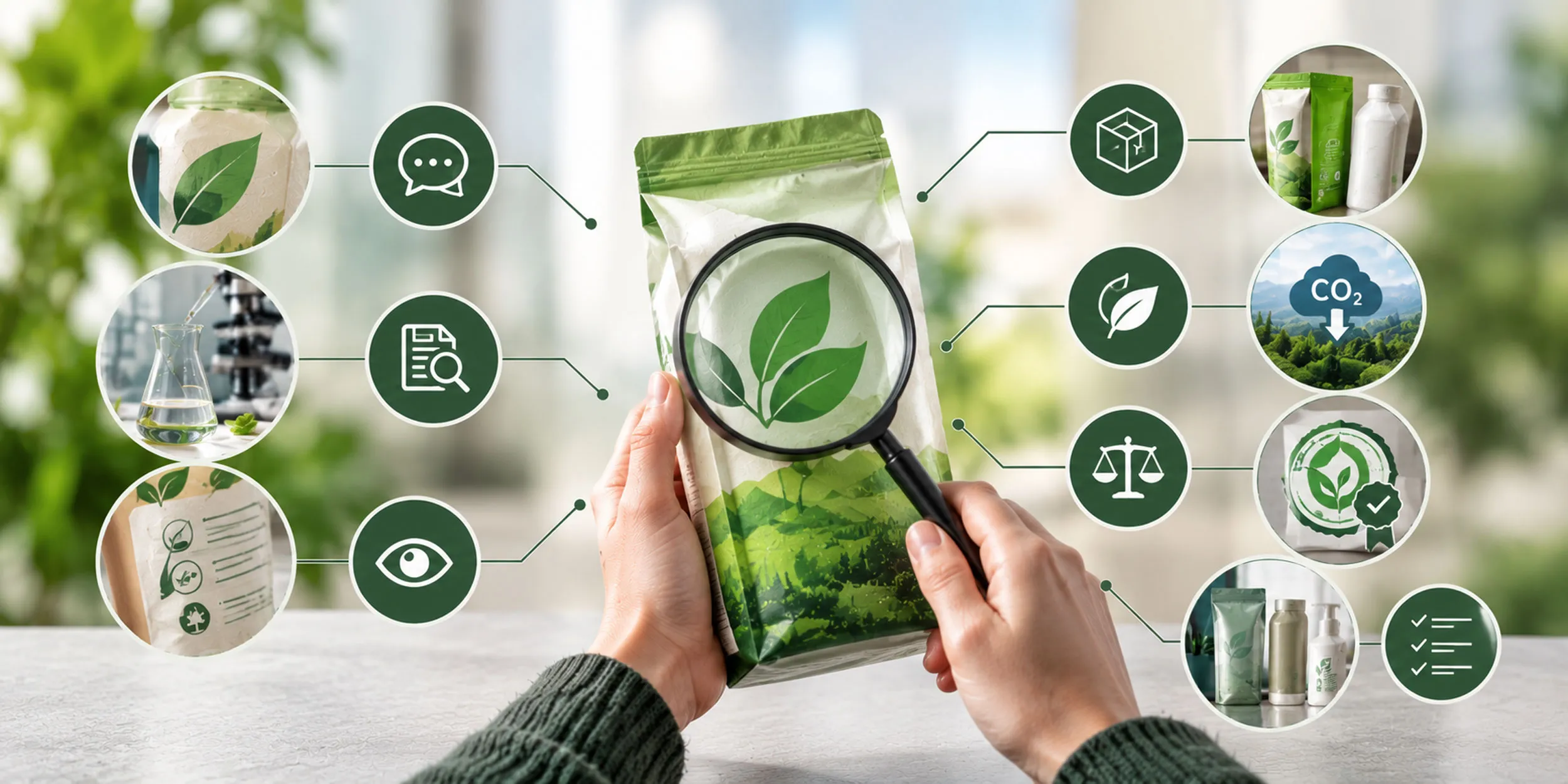
- Look for vague language. Be cautious when a company uses broad terms without defining the environmental benefit.
- Check the evidence. Look for measurable data, clear explanations, testing, or independent verification that supports the claim.
- Read the full label. Important qualifications may appear in small print or separate disclosures.
- Examine the scope. Determine whether the claim applies to one ingredient, one product, one facility, or the entire company.
- Question absolute promises. Claims such as “zero impact” deserve particular scrutiny because products and activities often affect the environment in several ways.
- Compare alternatives fairly. Check whether claims use the same measurement, baseline, and product category.
Independent certification can strengthen confidence when a credible organization uses transparent criteria and appropriate verification. However, a certification mark does not automatically establish that every aspect of a product or company is environmentally preferable.
Greenwashing Versus Genuine Sustainability
Greenwashing and genuine sustainability efforts differ in their approach to evidence, transparency, and environmental performance. A company may make legitimate improvements without eliminating every environmental impact. The key is whether it describes those improvements honestly and acknowledges their limits.
| Greenwashing | Genuine Sustainability Practice |
|---|---|
| Uses broad claims without clear definitions. | Describes specific environmental benefits. |
| Highlights favorable details while omitting important drawbacks. | Reports relevant benefits, limitations, and trade-offs. |
| Promotes ambitious goals without a credible plan. | Sets measurable targets and reports progress. |
| Relies on unclear or unsupported labels. | Uses reliable evidence and transparent verification. |
| Emphasizes marketing impressions over demonstrated results. | Measures performance and updates claims as evidence changes. |
Genuine sustainability also requires a broader view of environmental impact. A product may use less packaging but require more energy to manufacture. A material may be renewable but still create significant pollution during processing. Evaluating these trade-offs often requires a life cycle perspective that considers raw materials, manufacturing, transportation, use, and disposal.
The Role of Businesses in Preventing Greenwashing
Businesses have a responsibility to communicate environmental performance accurately. Clear marketing starts with reliable data and a precise understanding of what each claim means to consumers.
Substantiate Every Environmental Claim
Companies should collect appropriate evidence before promoting environmental benefits. Depending on the claim, this may include laboratory testing, material records, emissions inventories, supplier documentation, or life cycle assessments. The evidence should match the scope and strength of the statement.
Use Clear and Specific Language
Instead of describing an entire product as “eco-friendly,” a company can identify a measurable attribute, such as the percentage of recycled material in its packaging. It should explain what the figure covers and avoid implying that the product has no other environmental impacts.
Report Progress Transparently
Businesses should distinguish completed achievements from future goals. Sustainability reports should explain the methods used, the boundaries of the data, the starting point for comparisons, and any important limitations. Independent assurance can strengthen confidence in reported information when the scope and methods of verification are clear.
Consider the Full Product Life Cycle
Responsible environmental decisions account for impacts beyond a product’s appearance or a single manufacturing stage. Companies should consider resource extraction, production, transport, use, repair, reuse, and end-of-life treatment where relevant. This broader assessment reduces the risk of presenting one improvement as proof of overall sustainability.
Environmental Claims and Consumer Protection
Governments and consumer protection authorities address greenwashing through rules and guidance on truthful advertising, product labeling, and environmental representations. Requirements differ across jurisdictions, so businesses must follow the laws that apply to their markets.
In the United States, the Federal Trade Commission’s Green Guides explain how marketers should substantiate environmental claims and avoid misleading consumers. In Australia, the Australian Competition and Consumer Commission identifies environmental claims that create a false impression of a product’s or business’s environmental performance as a consumer protection concern. The United Kingdom’s Green Claims Code also emphasizes truthful, clear, substantiated claims that do not omit important information.
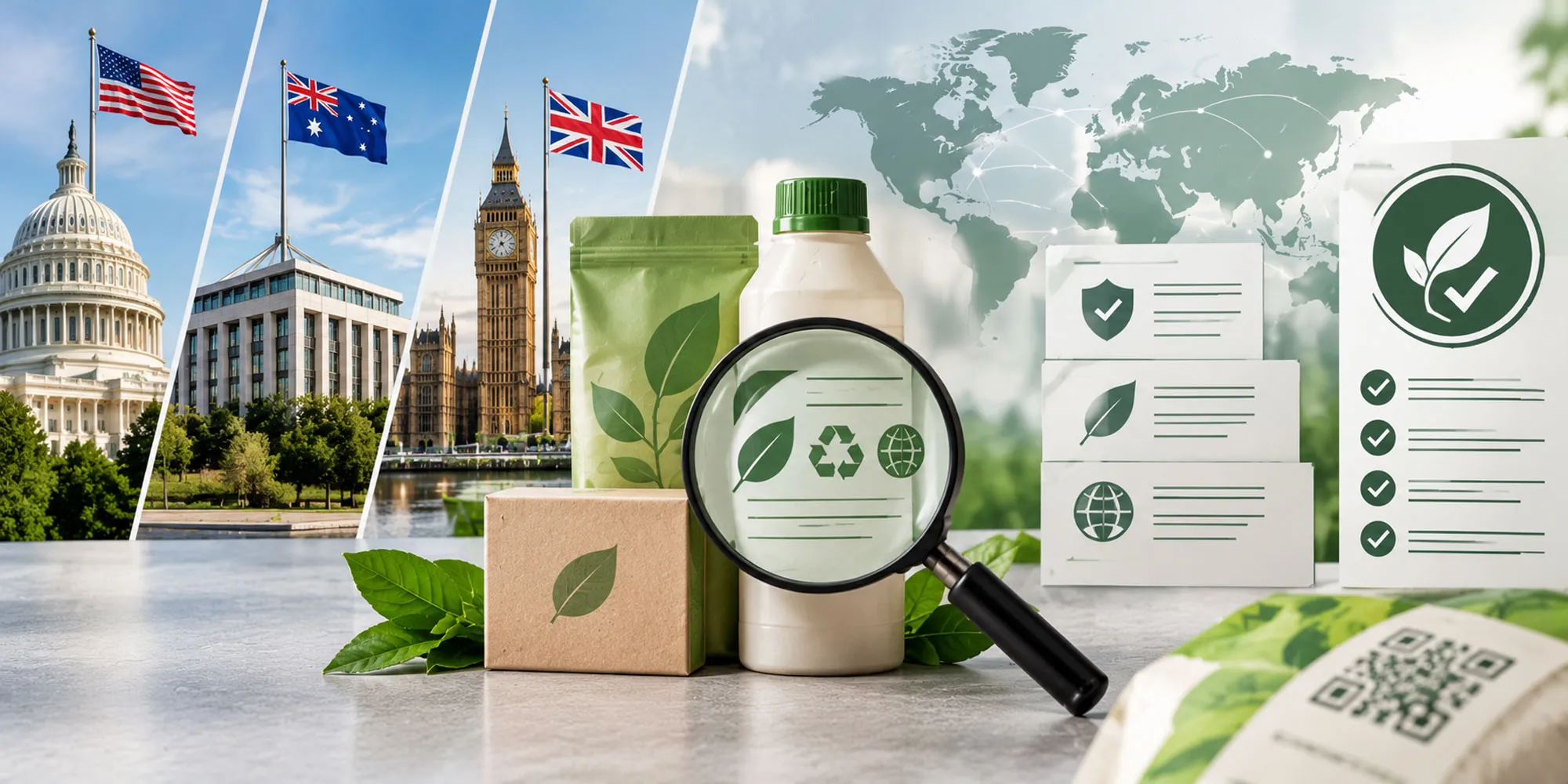
These approaches share several principles: environmental claims should be accurate, specific, supported by appropriate evidence, and assessed in the context in which consumers encounter them. A statement can mislead even when individual words are technically true if the overall impression exaggerates the environmental benefit.
Compliance does not depend solely on avoiding false statements. Businesses should also consider the images, labels, comparisons, omissions, and qualifications that shape consumer understanding. The relevant legal test and enforcement process depend on the jurisdiction and circumstances.
How Consumers Can Make Better-Informed Choices
Consumers do not need specialized scientific knowledge to question environmental marketing. A few practical habits can reveal whether a claim contains useful information or relies mainly on persuasive language.
- Identify the exact environmental benefit being advertised.
- Find evidence that supports the claim and check whether it comes from a credible source.
- Determine whether the claim covers the whole product or only one feature.
- Check whether recycling, composting, repair, or disposal options are actually available in the relevant area.
- Compare the product with realistic alternatives using the same criteria.
- Consider durability, repairability, reuse, and waste alongside material claims.
Consumers should also recognize that a higher price, an attractive environmental label, or a company’s public commitment does not automatically indicate better environmental performance. Specific evidence is more useful than branding alone.
Conclusion
Greenwashing occurs when environmental marketing creates a misleading impression of a product’s, service’s, or company’s environmental performance. It can involve vague language, selective disclosure, unsupported carbon claims, misleading labels, or promises that lack credible plans.
Recognizing greenwashing requires careful attention to evidence, context, and the full environmental impact of a product or business. Consumers can question broad claims and compare reliable information, while companies can build trust through specific statements, transparent reporting, and measurable improvements. Environmental responsibility is demonstrated through verifiable action, not simply through the language used to describe it.