
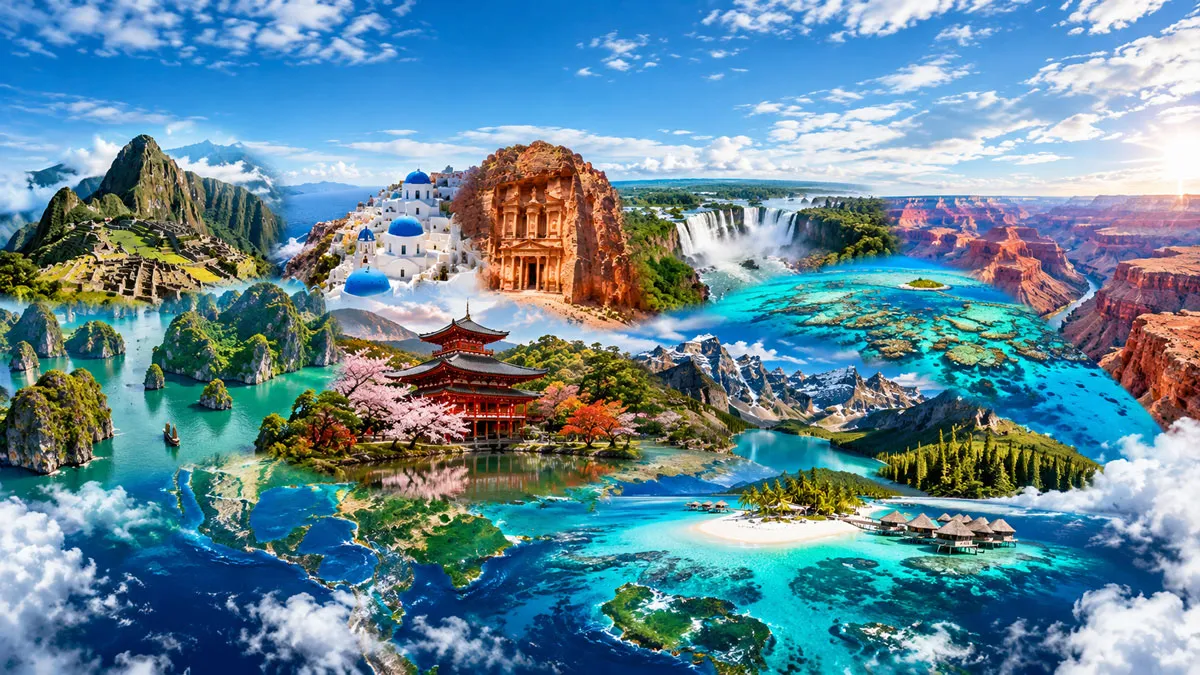
Some destinations captivate travelers with dramatic landscapes, while others stand out for their ancient architecture, extraordinary wildlife, or rich cultural traditions. Across continents, remarkable places reveal the diversity of the natural world and the achievements of human civilizations.
From towering mountains and turquoise waters to historic cities carved into stone, these ten destinations offer distinctive experiences. Each combines natural beauty, cultural significance, or historical importance in a way that makes it worth exploring.
1. Machu Picchu, Peru
Nestled high in the Andes Mountains, Machu Picchu is one of South America’s most remarkable archaeological sites. This ancient Inca settlement occupies a mountain ridge surrounded by steep green peaks, deep valleys, and mist-covered forests. Its combination of impressive stonework and dramatic scenery creates an unforgettable landscape.
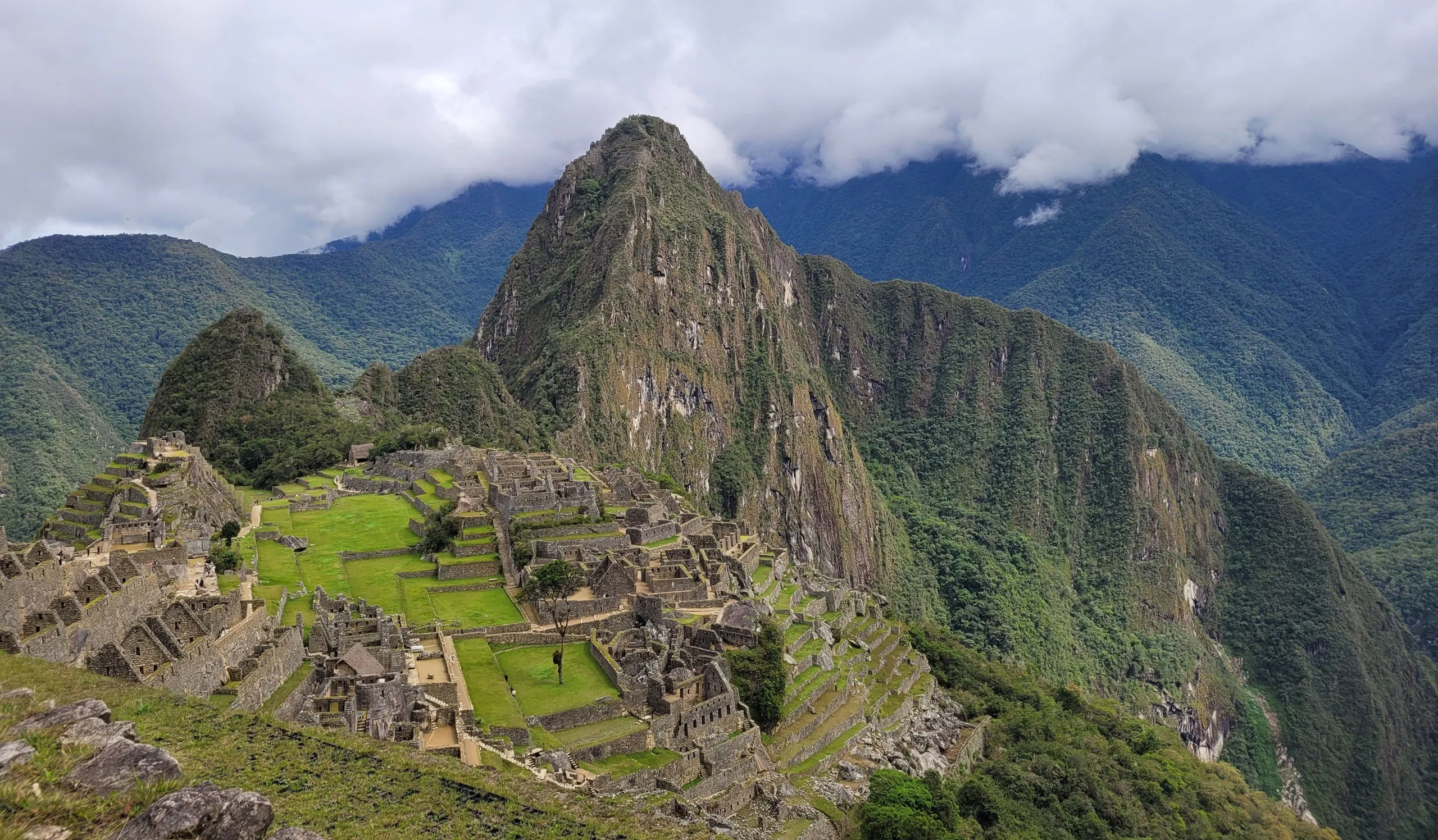
Built in the fifteenth century, Machu Picchu contains stone buildings, agricultural terraces, ceremonial spaces, and an intricate network of pathways. The Incas adapted their architecture to the rugged terrain, creating structures that fit naturally into the mountainside. The site reflects their sophisticated understanding of engineering, agriculture, and landscape management.
Visitors can explore the archaeological complex, admire the surrounding peaks, and discover the history of the Inca civilization. The wider sanctuary also contains diverse habitats, ranging from high-altitude grasslands to tropical mountain forests.
What makes it special: Machu Picchu brings together ancient history, remarkable architecture, and spectacular mountain scenery.
2. Santorini, Greece
Santorini is a Greek island in the Aegean Sea, famous for its whitewashed buildings, blue-domed churches, and villages perched above volcanic cliffs. Its architecture contrasts beautifully with the deep blue sea, creating one of the Mediterranean’s most recognizable coastal landscapes.
The island’s distinctive shape reflects its volcanic history. Many settlements follow the steep caldera rim, where narrow lanes, small courtyards, and terraces open onto expansive sea views. The island’s volcanic origins also shaped its beaches, cliffs, and agricultural land.
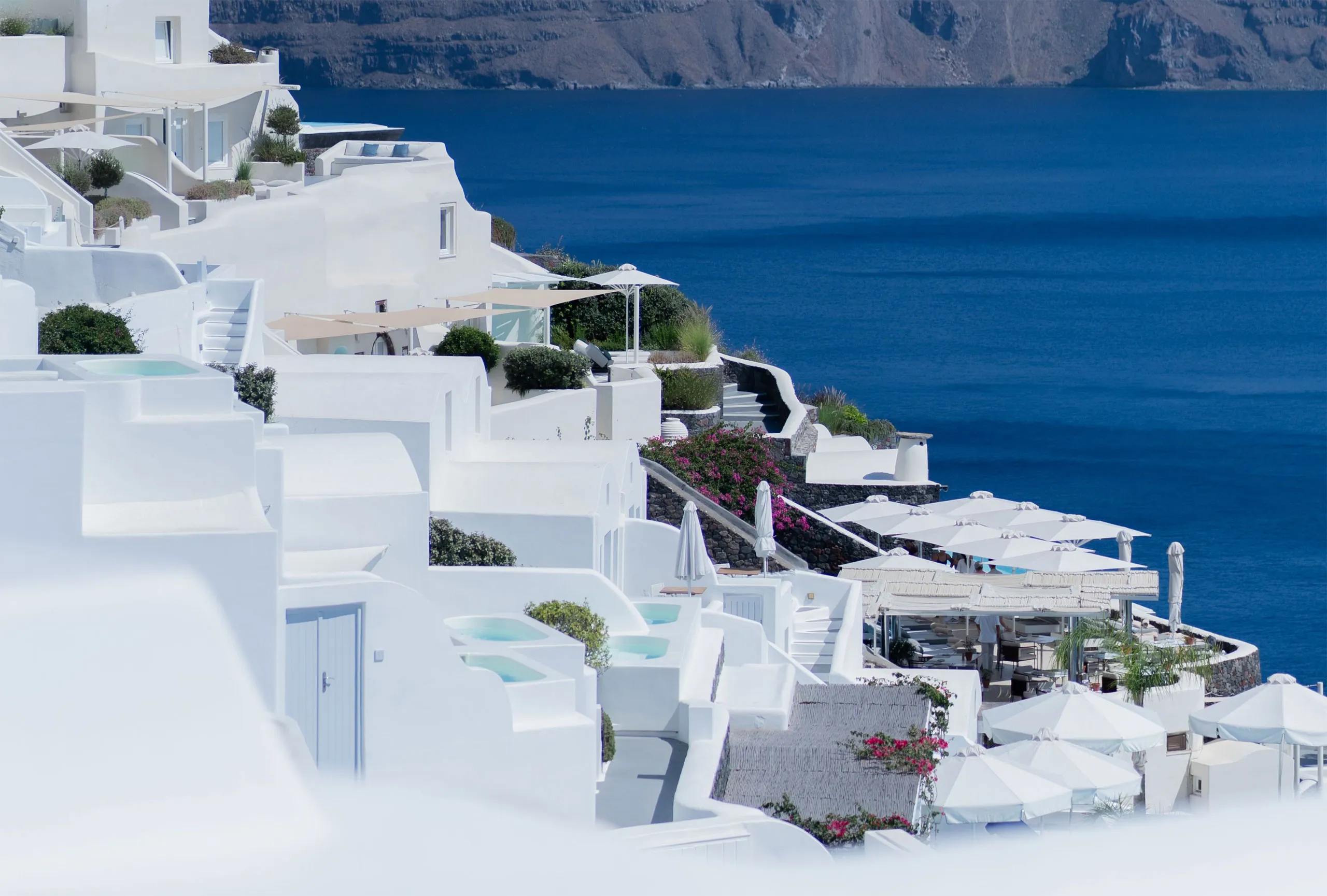
Visitors can wander through Oia and Fira, explore traditional settlements, and discover beaches with dark volcanic sand. The island also has a long agricultural tradition, including vineyards adapted to its dry climate and distinctive soils.
Sunset views attract many visitors, but Santorini offers more than scenic viewpoints. Its archaeological remains, local cuisine, and traditional architecture reveal how people have adapted to life on a volcanic island.
What makes it special: Santorini combines volcanic scenery, distinctive architecture, and Mediterranean island culture.
3. The Great Barrier Reef, Australia
Off the coast of Queensland, the Great Barrier Reef forms an enormous marine ecosystem filled with coral formations, colorful fish, sea turtles, and other ocean life. Its tropical waters and varied underwater landscapes make it one of the world’s most remarkable natural destinations.
The reef consists of thousands of individual reefs and hundreds of islands. Its habitats support a wide range of marine species, while shallow lagoons and deeper ocean environments create different conditions for marine life.
Snorkeling and diving offer close views of coral communities and tropical fish. Travelers who prefer to stay above the water can explore suitable islands, take guided boat trips, or observe marine life from glass-bottom boats.
The ecosystem faces significant environmental pressures, including rising ocean temperatures, coral bleaching, and pollution. Responsible tourism is important. Visitors should avoid touching coral, never feed wild marine animals, and choose activities that respect conservation rules.
What makes it special: The Great Barrier Reef reveals the extraordinary diversity of life within a vast coral reef ecosystem.
4. Petra, Jordan
Hidden among the red sandstone mountains of southern Jordan, Petra is an ancient city renowned for its monumental buildings carved directly into rock. Its most famous facade, Al-Khazneh, stands at the end of a narrow passage known as the Siq, creating a dramatic introduction to the archaeological site.
Petra flourished as the capital of the Nabataean kingdom and a major trading center connecting Arabia with Egypt and the Mediterranean world. Its inhabitants developed sophisticated water-management systems that collected and stored scarce rainfall, allowing a thriving settlement to develop in an arid environment.
Beyond Al-Khazneh, the site contains tombs, temples, ceremonial spaces, rock-cut chambers, and remains of ancient streets. The surrounding cliffs change color throughout the day, shifting between shades of rose, orange, and deep red.
Exploring Petra requires time and comfortable walking shoes because the archaeological area covers a large landscape with uneven paths and significant distances. Visitors should follow designated routes and respect protected structures.
What makes it special: Petra unites extraordinary rock-cut architecture, ancient trade history, and the natural beauty of Jordan’s desert landscape.
5. Ha Long Bay, Vietnam
Ha Long Bay in northeastern Vietnam is famous for its emerald waters and towering limestone formations. Hundreds of steep, green-covered islands rise from the sea, creating a landscape shaped by geological processes over millions of years.
The bay’s unusual formations include caves, cliffs, sheltered inlets, and small beaches. Their shapes and arrangements create a constantly changing panorama as boats travel between the islands.
Boat excursions offer a closer look at the seascape, while kayaking reveals quieter passages and sheltered lagoons where conditions permit. Visitors can also explore selected caves and learn about the communities whose lives have long been connected to the surrounding waters.
The broader Ha Long Bay–Cat Ba Archipelago area contains important coastal and marine habitats. Visitors can protect these environments by avoiding litter, respecting wildlife, and choosing activities that minimize environmental damage.
What makes it special: Ha Long Bay transforms a limestone landscape into a spectacular seascape of islands, caves, and tranquil waterways.
6. The Grand Canyon, United States
Located in Arizona, the Grand Canyon is a vast gorge carved by the Colorado River. Its immense scale, layered rock walls, and changing colors reveal a geological history spanning billions of years.
From the rim, visitors can see deep ravines, isolated rock towers, broad plateaus, and distant bends in the river. The canyon’s appearance changes with the sunlight, making the same viewpoint look different throughout the day.
Scenic overlooks offer accessible ways to experience the landscape, while established hiking trails lead into the canyon for those seeking a more demanding adventure. Temperatures can differ sharply between the rim and the inner canyon, so hikers should research conditions, carry sufficient water, and plan their routes carefully.
The Grand Canyon also holds deep cultural significance for Indigenous peoples, including communities with longstanding connections to the region. Its importance extends beyond geology to encompass ancestral relationships, living traditions, and cultural history.
What makes it special: The Grand Canyon combines immense geological formations, striking natural colors, and profound cultural significance.
7. Kyoto, Japan
Kyoto offers a different kind of beauty, shaped by traditional architecture, carefully maintained gardens, historic temples, and seasonal changes. As a former imperial capital, the city preserves a rich cultural heritage that remains visible in its streets and neighborhoods.
Temple complexes and Shinto shrines stand among wooded hills, while stone paths lead through gardens designed around water, rocks, moss, and carefully arranged plants. In spring, cherry blossoms transform many public spaces. In autumn, foliage around temples and mountain slopes turns vivid shades of red, orange, and gold.
Visitors can explore historic districts, experience traditional cultural activities, and sample Japanese cuisine. The Arashiyama area is known for its bamboo grove and riverside scenery, while the city’s many gardens offer quieter places to appreciate traditional design.
Kyoto’s appeal lies partly in its attention to detail. Wooden buildings, sliding screens, courtyard gardens, and tea traditions reflect aesthetic principles that value simplicity, balance, and a close relationship with nature.
What makes it special: Kyoto blends historic architecture, refined garden design, and enduring Japanese cultural traditions.
8. Iguazu Falls, Argentina and Brazil
Straddling the border between Argentina and Brazil, Iguazu Falls is one of the world’s most impressive waterfall systems. The Iguazu River spreads across a broad series of cascades, sending water over rocky ledges and filling the surrounding subtropical forest with mist.
The waterfall system stretches for nearly three kilometers and includes numerous cascades. One of its most dramatic sections is the Devil’s Throat, where enormous volumes of water plunge into a deep, mist-filled gorge.
Protected areas on both sides of the border offer different views of the falls. Walkways bring visitors close to selected cascades, while elevated viewpoints reveal the scale of the entire system. The surrounding rainforest supports diverse wildlife, including colorful birds, butterflies, and several mammal species.
Rainfall affects water levels and the appearance of the falls, so the experience varies with natural conditions. Visitors should stay on designated paths and follow safety instructions near wet surfaces and fast-moving water.
What makes it special: Iguazu Falls combines immense waterfalls, lush rainforest, and rich biodiversity in a single natural landscape.
9. The Maldives
The Maldives is an Indian Ocean nation made up of coral islands and atolls surrounded by clear tropical waters. White-sand beaches, shallow lagoons, and palm-fringed shores define its familiar island scenery, while coral reefs support a wide range of marine life.
Many islands rise only slightly above sea level, giving the landscape an open, expansive character. Beneath the water, coral formations create habitats for reef fish, rays, turtles, and other marine species.
Swimming, snorkeling, diving, and boat excursions are popular ways to experience the islands. Travelers can also learn about local communities and their maritime traditions, which are closely connected to fishing, trade, and life in the Indian Ocean.
The Maldives faces particular environmental challenges because of its low-lying geography. Coral reef damage, coastal erosion, and rising sea levels place pressure on its natural systems. Visitors can act responsibly by reducing plastic waste, respecting marine life, and avoiding contact with coral.
What makes it special: The Maldives offers peaceful island scenery and access to the distinctive marine habitats of the Indian Ocean.
10. Banff National Park, Canada
Located in Alberta’s Canadian Rockies, Banff National Park is known for its rugged mountains, glacial lakes, evergreen forests, and broad alpine valleys. The landscape combines dramatic peaks with clear waterways and extensive wilderness.
Lake Louise and Moraine Lake are especially famous for their striking blue-green water, which gets much of its color from fine rock particles carried by glacial meltwater. Towering mountains frame the lakes, creating views that change with the weather and the seasons.
Visitors can hike established trails, paddle on suitable lakes, observe wildlife from a safe distance, and explore mountain scenery by road. Winter brings snow-covered forests and opportunities for skiing, while warmer months reveal alpine meadows and longer hiking days.
Banff is also an important protected area for wildlife. Bears, elk, deer, and other animals inhabit the park, so visitors must follow wildlife safety guidance, store food properly, and never approach or feed wild animals.
What makes it special: Banff combines glacial lakes, towering peaks, and extensive mountain wilderness in one of Canada’s most recognizable landscapes.
Choosing a Destination That Matches Your Interests
The right destination depends on the kind of experience you want. Travelers interested in ancient civilizations may prefer Machu Picchu or Petra, while those drawn to traditional architecture and cultural heritage may find Kyoto especially rewarding. Santorini offers striking coastal scenery, and Ha Long Bay presents a distinctive combination of limestone islands and waterways.
Nature lovers can explore coral ecosystems at the Great Barrier Reef, admire the waterfalls at Iguazu, or discover the mountain landscapes of Banff and the Grand Canyon. The Maldives offers a different atmosphere, with tropical beaches and opportunities to experience marine life.
Consider the physical demands of each destination, the activities you enjoy, and the time you can devote to exploring. Mountain hikes, archaeological sites, boat excursions, and beach stays require different levels of preparation. Choosing a destination that fits your interests can make the experience more rewarding.
How to Make the Most of Your Visit
Careful planning can make a trip more rewarding, especially when a destination has fragile ecosystems, historic structures, or demanding outdoor routes. Respecting local communities and natural environments also protects the places that make travel meaningful.
Learn about local customs before visiting religious or cultural sites. Follow marked trails, avoid disturbing wildlife, and take your waste with you. Research terrain, elevation, weather, and physical demands before choosing outdoor activities. Give important sites enough time to explore rather than rushing between attractions.
Supporting local businesses and following conservation guidance can also strengthen the relationship between tourism and the communities that welcome visitors. Small decisions, such as choosing responsible tour operators and respecting residents’ privacy, can make a meaningful difference.
Discover the Beauty of the World
The world’s most beautiful destinations offer more than impressive views. Machu Picchu and Petra reveal the ingenuity of ancient civilizations. Kyoto preserves traditions through architecture and garden design. The Great Barrier Reef, Iguazu Falls, Banff, and the Grand Canyon demonstrate the variety and power of natural landscapes. Santorini, Ha Long Bay, and the Maldives show how water, geology, and human life shape remarkable places.
Although these destinations differ in climate, culture, and geography, each offers a distinctive way to understand the world. Traveling thoughtfully, respecting local communities, and protecting fragile environments can make these experiences more meaningful while preserving their beauty for future generations.