
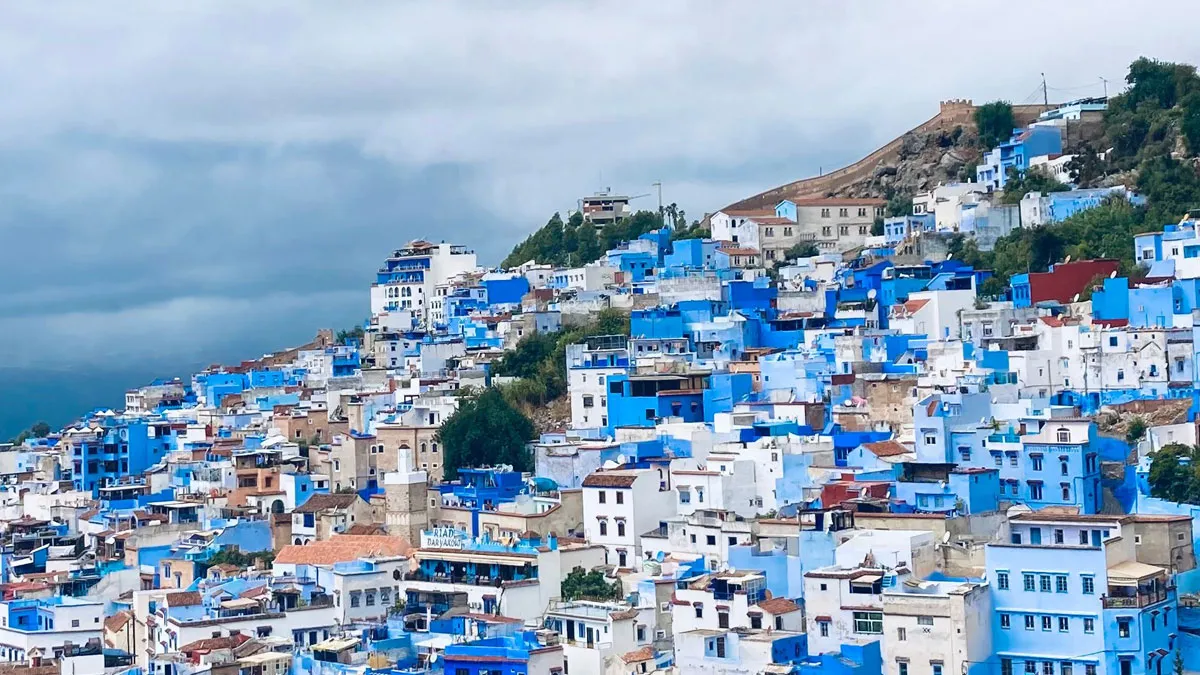
Brightly painted houses, historic streets, intricate murals, and lively markets give some cities a distinctive visual identity. Across the world, color reflects local traditions, architectural styles, geography, and the creativity of the people who live there. From the steep hills of South America to the historic neighborhoods of Europe and Asia, these destinations offer far more than beautiful photographs. Each tells a story about its past and the culture that shapes its streets.
Exploring the world’s most colorful cities reveals how architecture, art, and everyday life come together. Some are famous for rainbow-colored buildings, while others stand out for elaborate decorations, painted doorways, and vibrant public spaces. The following destinations offer a fascinating look at the many ways color transforms an urban landscape.
1. Guanajuato, Mexico
Guanajuato is one of Mexico’s most visually striking historic cities. Set among hills and narrow valleys, it features houses painted in shades of yellow, orange, red, pink, blue, and green. The buildings climb the slopes above winding lanes, creating a layered landscape that looks especially beautiful from the surrounding hills.
The city’s appearance reflects centuries of history. Silver mining brought considerable wealth to the region during the colonial period, and the resulting prosperity shaped its churches, public buildings, and elegant squares. Its historic center combines colorful residential architecture with ornate Baroque and Neoclassical landmarks.
Visitors can explore narrow alleys, discover small plazas, and admire the architecture around the central gardens. The city’s underground streets also reveal how its unusual layout developed in response to the surrounding terrain and local infrastructure.
Guanajuato’s appeal comes from the relationship between its colors, historic buildings, and mountainous setting. It is a living city where everyday activity unfolds among streets shaped by centuries of cultural and economic change.
2. Valparaíso, Chile
On Chile’s Pacific coast, Valparaíso spreads across steep hills overlooking a broad harbor. Its brightly painted houses, winding stairways, narrow lanes, and historic hillside elevators create one of South America’s most recognizable urban landscapes.
The city’s colorful architecture reflects its maritime past. During the late nineteenth and early twentieth centuries, Valparaíso grew into an important commercial port. People from different parts of the world settled here, shaping its architecture, customs, and cultural identity.
The historic neighborhoods of Cerro Alegre and Cerro Concepción are especially notable for their painted facades, artistic details, small squares, and views across the bay. Murals and street art add another layer of expression to the city’s built environment.
Valparaíso is also recognized for its historic urban heritage. Its steep geography encouraged an unusual pattern of development, with buildings and streets adapting to the contours of the hills rather than following a uniform grid.
3. Chefchaouen, Morocco
Chefchaouen is famous for its blue-painted medina in the Rif Mountains of northern Morocco. Walls, staircases, doorways, and building facades appear in a range of shades, from pale sky blue to deep indigo. These colors create a distinctive atmosphere throughout the historic center.
The town’s compact streets invite visitors to explore on foot. Blue walls contrast with terracotta pots, green plants, woven textiles, and wooden doors. Small shops display traditional crafts, while local cafes and squares offer places to observe daily life.
The origins and meanings of Chefchaouen’s blue color are often explained in different ways. Rather than assuming a single historical reason, it is more accurate to recognize that the town’s appearance reflects a combination of local traditions, successive generations of residents, and ongoing decorative practices.
Beyond its famous colors, Chefchaouen offers a connection to northern Morocco’s mountain environment and cultural heritage. Its appeal lies in the harmony between the built landscape and the surrounding hills.
4. Jaipur, India
Known as the Pink City, Jaipur stands out for its distinctive historic architecture and warm pink-toned facades. Located in the Indian state of Rajasthan, the city combines grand palaces, traditional markets, decorated gateways, and streets filled with everyday activity.
The pink appearance of parts of the old city is closely associated with its royal history and ceremonial architecture. The color became a defining feature of Jaipur’s urban identity, particularly around its historic commercial streets and major landmarks.
The Hawa Mahal, or Palace of Winds, is among the city’s best-known buildings. Its elaborate facade features numerous small windows and decorative details designed in the architectural style of the region. Nearby, the City Palace complex displays courtyards, ornamental gates, and elements of Rajput and Mughal design.
Jaipur’s colors extend beyond its buildings. Textile shops, traditional clothing, jewelry, pottery, and handicrafts create a vivid atmosphere in its markets. These living traditions make the city as culturally rich as it is visually striking.
5. Burano, Italy
Located in the Venetian Lagoon, Burano is a small island known for its rows of brightly colored houses and canals. Facades in red, yellow, turquoise, purple, and green line narrow waterways, creating a distinctive scene that differs from the grand stone architecture of central Venice.
Burano’s identity is also connected to its history of fishing and lace-making. The island’s waterways and compact residential streets reflect its relationship with the lagoon, while its traditional craft heritage adds cultural depth to its colorful appearance.
Walking through Burano reveals small bridges, boats, doorways, and carefully maintained facades. The changing light across the canals creates subtle contrasts between the buildings and the water.
The island’s visual character is shaped by more than tourism. Its homes remain part of a lived-in community, and the preservation of its distinctive appearance depends on local practices and respect for the historic setting.
6. Havana, Cuba
Havana combines tropical light, historic architecture, and a vibrant street culture. In Old Havana, pastel facades, brightly painted doors, ornate balconies, and shaded arcades line streets that reflect centuries of Spanish colonial influence.
The city’s architectural character includes Baroque churches, Neoclassical buildings, traditional courtyards, and structures from later periods. Their varied styles and colors create a layered streetscape that reflects Havana’s changing fortunes and cultural influences.
Public squares are central to the historic district. Residents gather in these spaces, while musicians, small businesses, and everyday street life give the surrounding architecture a lively character. Murals and painted details add further visual interest across different neighborhoods.
Havana’s charm lies in its contrasts. Weathered walls stand beside restored buildings, and faded paint often reveals the textures of older construction. These details make the city visually distinctive without reducing its identity to color alone.
7. Cartagena, Colombia
On Colombia’s Caribbean coast, Cartagena is known for its colorful colonial streets, flower-covered balconies, and historic defensive walls. The old city features facades in yellow, coral, blue, green, and white, often framed by wooden balconies and tropical plants.
Cartagena’s architectural heritage reflects its role as an important Spanish colonial port. Its walls, forts, churches, and civic buildings reveal the strategic importance of the city and its connections to trade across the Caribbean.
Inside the historic center, narrow streets lead to shaded plazas, ornate doorways, and courtyards hidden behind traditional facades. The bright colors contrast with the stonework of the fortifications and the warm coastal light.
The Getsemaní neighborhood offers another expression of Cartagena’s creativity. Painted walls, murals, and street decorations give its public spaces a distinct artistic character. Together, the historic center and surrounding neighborhoods show how architecture and contemporary culture coexist.
8. Cinque Terre, Italy
Cinque Terre refers to five coastal villages in the Liguria region of northwestern Italy: Monterosso al Mare, Vernazza, Corniglia, Manarola, and Riomaggiore. Their colorful houses rise above the Mediterranean, following the contours of steep slopes and small harbors.
The villages developed within a rugged coastal landscape where available land was limited. Buildings cluster closely together, while narrow streets and stairways connect residential areas with waterfronts, vineyards, and paths across the hills.
Manarola and Riomaggiore are especially recognizable for their densely packed houses in warm pink, orange, and yellow tones. Vernazza features a small harbor and historic waterfront, while Corniglia sits higher above the sea. Each village has a different relationship with the surrounding terrain.
The area’s beauty also reflects generations of work on the land. Stone terraces support vineyards and other crops on steep hillsides, demonstrating how residents adapted agriculture to difficult geography. The colorful buildings form only one part of this wider cultural landscape.
9. Jodhpur, India
Jodhpur, often called the Blue City, lies on the edge of the Thar Desert in Rajasthan. Blue-painted houses cluster beneath the imposing Mehrangarh Fort, creating a striking contrast between the residential neighborhoods and the massive sandstone structure above them.
The city’s blue facades have become a defining visual feature, particularly in the older neighborhoods around the fort. Their shades vary from pale blue to deep indigo, and the narrow lanes reveal a mix of traditional homes, small shrines, workshops, and shops.
Mehrangarh Fort dominates the skyline. Its walls, courtyards, and historic interiors illustrate the power and craftsmanship associated with the region’s royal history. From elevated viewpoints, visitors can see how the blue buildings spread across the old city.
Jodhpur’s character extends beyond its painted walls. Traditional Rajasthani textiles, handicrafts, music, and food reflect the city’s regional culture, while its desert setting gives the urban landscape a distinctive sense of place.
10. Willemstad, Curaçao
Willemstad, the capital of Curaçao in the Caribbean, is known for its colorful waterfront buildings and historic harbor. In the Punda and Otrobanda districts, facades in pastel pink, yellow, blue, and green line streets and canals, creating a bright urban landscape beside the water.
The city’s architecture reflects Dutch colonial influence alongside Caribbean conditions and local cultural traditions. The historic center includes merchant houses, civic buildings, narrow streets, and waterfront structures that developed around the harbor.
The Queen Emma Bridge, a floating pedestrian bridge across St. Anna Bay, connects the Punda and Otrobanda districts. Its setting offers a clear view of the historic waterfront and the buildings that define Willemstad’s visual identity.
Willemstad’s colors are part of a wider cultural story shaped by maritime trade, migration, and the interaction of European, African, and Caribbean influences. The result is an urban environment with a character distinct from both European port cities and other Caribbean settlements.
11. Oaxaca, Mexico
Oaxaca City blends colorful colonial buildings with Indigenous cultural traditions and a strong regional arts scene. Its historic center features painted facades, stone arcades, lively plazas, and courtyards, while local markets display textiles, ceramics, and other handcrafted goods.
The city’s architectural heritage includes churches, civic buildings, and traditional houses that reflect different periods of Mexican history. Bright colors contrast with the region’s stonework and the greenery of its courtyards.
Oaxaca’s visual identity is closely connected to its living cultural traditions. Handwoven textiles, intricate embroidery, pottery, and locally produced art reflect skills passed between generations. Public celebrations and traditional markets bring additional color to the city’s streets.
Unlike destinations known mainly for a single shade or a uniform row of buildings, Oaxaca offers a broader combination of architecture, craft, food, and cultural expression. Its colors are part of a living tradition rather than simply a decorative feature.
12. San Francisco, United States
San Francisco is famous for its Victorian houses, particularly the colorful row known as the Painted Ladies. These buildings feature decorative trim, elaborate facades, and contrasting paint colors that highlight their architectural details.
The city’s Victorian and Edwardian residential architecture developed during periods of urban expansion in the nineteenth and early twentieth centuries. Painted facades became a familiar part of its identity, although the city also contains modern buildings, industrial waterfronts, and neighborhoods with very different architectural styles.
The Painted Ladies near Alamo Square are among the best-known examples of this decorative tradition. Their colorful exteriors stand against the city’s varied skyline, illustrating how careful paint choices can emphasize architectural form.
San Francisco’s visual appeal also comes from its hills, bay views, parks, and distinctive neighborhoods. The combination of colorful homes and dramatic terrain creates a cityscape that changes significantly from one street to the next.
How These Cities Use Color Differently
Color has no single meaning across the world’s cities. In some places, it reflects historic building traditions. In others, it appears through painted residential facades, street art, royal architecture, or local crafts. Geography also shapes how color appears, from houses climbing mountain slopes to buildings lining tropical harbors.
| City | Recognizable Colors | Distinctive Feature |
|---|---|---|
| Guanajuato, Mexico | Yellow, orange, pink, blue | Colorful hillside houses and historic streets |
| Valparaíso, Chile | Red, green, blue, yellow | Painted houses on steep coastal hills |
| Chefchaouen, Morocco | Sky blue, turquoise, indigo | Blue-painted medina and narrow lanes |
| Jaipur, India | Pink, terracotta, cream | Historic pink facades and royal architecture |
| Burano, Italy | Red, purple, yellow, green | Bright houses beside canals |
| Cartagena, Colombia | Coral, yellow, blue, green | Colonial facades and flower-covered balconies |
| Willemstad, Curaçao | Pastel pink, blue, yellow | Colorful historic waterfront |
What Makes A City Truly Colorful?
A colorful city does not need every building to have a bright exterior. Its character often emerges from the relationship between architecture, local culture, and the surrounding environment. Several features can make a destination especially memorable:
- Distinctive architecture: Historic facades, decorative balconies, traditional doors, and carefully painted buildings create a recognizable streetscape.
- Local identity: Colors often reflect regional customs, artistic traditions, historic influences, or the of residents.
- Natural surroundings: Mountains, coastlines, canals, and tropical vegetation create contrasts that intensify the appearance of buildings.
- Public art and crafts: Murals, painted tiles, textiles, and handmade decorations add layers of color to everyday spaces.
- Preservation and community life: Well-maintained historic areas retain their character when residents, local authorities, and conservation efforts respect their cultural significance.
Color alone does not define a city’s value. The strongest destinations combine visual appeal with history, architecture, and a sense of place. Their streets remain meaningful because people continue to live, work, create, and celebrate within them.
Why Colorful Cities Leave A Lasting Impression
Bright buildings can make a city immediately recognizable, but the most memorable places offer more than an attractive palette. Guanajuato’s winding streets reveal its mining history, Valparaíso’s hillside houses reflect its maritime past, and Jaipur’s pink facades express a distinctive architectural identity. Burano’s canals, Chefchaouen’s blue lanes, and Cartagena’s decorated balconies each show a different relationship between color and place.
These cities also demonstrate that visual beauty can coexist with cultural depth. Their colors emerge from different histories, building traditions, and ways of life. Exploring them means looking beyond the facades to understand the people and experiences that shaped the surrounding streets.
From mountain towns and coastal settlements to historic capitals and island communities, the world’s colorful cities offer a vivid reminder of human creativity. Their most enduring appeal lies in the connection between the places people build and the cultures they continue to shape.