
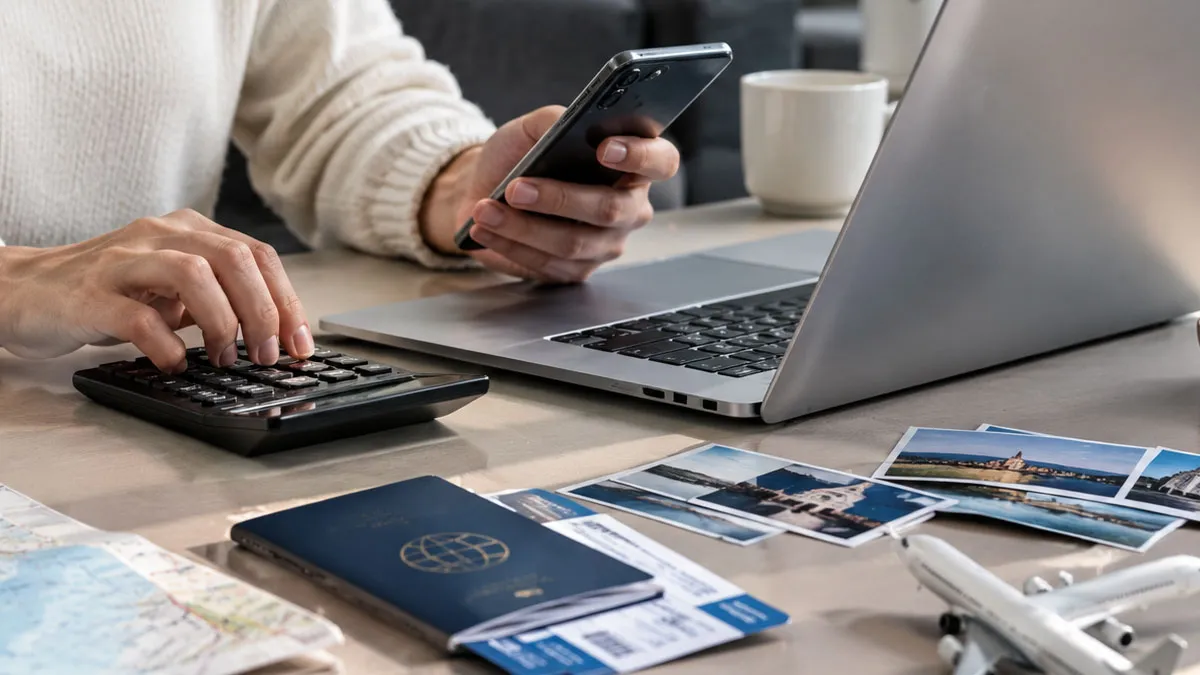
Travel does not have to be expensive. With careful planning, smart booking decisions, and a realistic budget, you can explore new destinations without spending more than necessary. The key is to compare the total cost of your choices, avoid unnecessary fees, and spend money on experiences that matter most.
From finding affordable flights and comfortable hotels to enjoying local food on a budget, a few simple strategies can make every trip more affordable.
Set A Realistic Travel Budget
Before booking anything, decide how much you can comfortably spend on your trip. Include transportation, accommodation, food, activities, travel insurance, and emergency expenses.
Divide your budget into categories so you can see where your money will go. Research typical costs at your destination and adjust your plans before making reservations.
| Expense | Money-Saving Strategy |
|---|---|
| Flights | Compare dates, routes, and baggage fees. |
| Hotels | Compare total prices and locations. |
| Food | Choose local restaurants and prepare simple meals. |
| Transportation | Use public transportation and walk when practical. |
| Activities | Combine free attractions with selected paid experiences. |
Keep an emergency fund separate from your daily budget. Unexpected expenses can arise during any trip, so avoid spending every dollar on reservations and planned activities.
How To Save Money On Flights
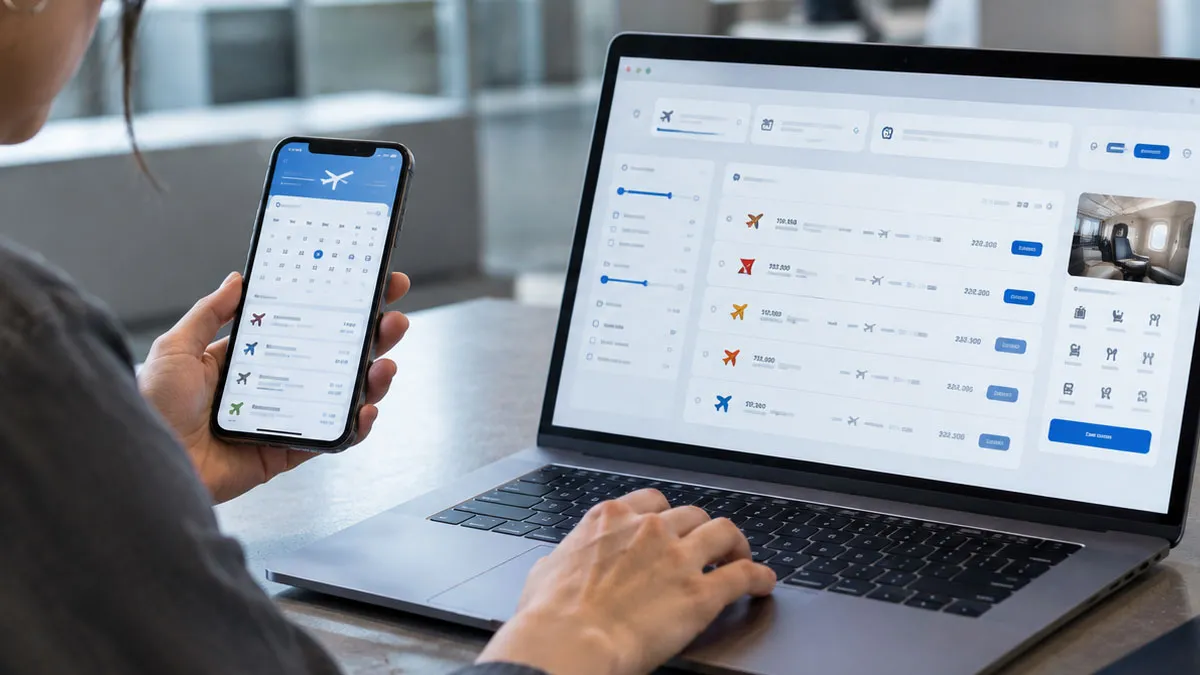
Airfare can account for a large part of your travel expenses. Comparing different travel dates, checking additional fees, and choosing suitable routes can reduce the total cost.
Compare Flexible Travel Dates
If your schedule permits, compare flights across several departure and return dates. Prices can vary depending on demand, holidays, and the time of year. Traveling outside major holiday periods may also reduce costs.
Do not assume that a particular weekday always offers the lowest fare. Compare the available options for your specific route before booking.
Check The Full Ticket Price
A cheap advertised fare may exclude services you need. Before purchasing a ticket, check baggage allowances, seat selection charges, airport transfers, and cancellation conditions.
- Compare the final price rather than the advertised fare.
- Check baggage rules before packing.
- Consider the cost of reaching airports outside the city center.
- Review connection times and ticket conditions.
A connecting flight may cost less than a direct flight, but consider the extra travel time and any additional expenses. Separate tickets can also create risks if a delay causes you to miss your next flight.
Use Flight Comparison Tools
Flight comparison websites make it easier to review airlines, routes, and travel dates. Once you find a suitable option, check the airline’s official website for the final price and booking conditions.
Price alerts can help you monitor fares, but waiting does not guarantee a cheaper ticket. Book when the price fits your budget and the itinerary meets your needs.
How To Find Affordable Hotels
The cheapest hotel is not always the best value. Location, transportation costs, room conditions, and additional fees all affect the total expense of your stay.
Compare Total Accommodation Costs
Check the full price for your entire stay, including taxes, service charges, cleaning fees, and deposits where applicable. Compare similar room types and read the cancellation policy before paying.
Look for recent guest reviews that mention cleanliness, noise, maintenance, and location. These details can reveal problems that are not obvious from promotional photographs.
Choose A Convenient Location
Hotels outside popular tourist areas may charge less, but daily transportation can erase those savings. Check the distance to public transportation and estimate the cost of reaching the attractions on your itinerary.
For a short visit, a centrally located hotel may offer better overall value because you spend less time and money traveling around the city.
Consider Different Types Of Accommodation
Hotels are not the only option. Guesthouses, hostels, and serviced apartments may offer better value depending on your needs. A room with kitchen facilities can be particularly useful if you plan to prepare some of your own meals.
Choose accommodation based on how you intend to travel. If you expect to spend most of the day exploring, prioritize cleanliness, comfort, safety, and convenient access over facilities you may never use.
Read Cancellation Policies Carefully
Nonrefundable rooms sometimes cost less, but they can become expensive if your plans change. Flexible reservations may be worth the extra cost when your travel dates are uncertain.
Confirm whether breakfast, parking, Wi-Fi, and airport transfers are included. Never assume an extra service is free unless the booking conditions clearly state it.
How To Spend Less On Food While Traveling
Meals, drinks, coffee, and snacks can quickly increase your daily expenses. You can still enjoy local cuisine without eating every meal at an expensive restaurant.

Eat At Local Restaurants
Explore neighborhood restaurants, bakeries, traditional food stalls, and casual cafés. These places may offer better value than restaurants in busy tourist areas.
Check menus and prices before ordering. Choose food vendors that follow safe food-handling practices, especially when buying street food in unfamiliar destinations.
Plan Breakfast And Snacks
If your accommodation includes breakfast, compare its value with nearby alternatives. A local bakery, supermarket, or café may offer a less expensive option if breakfast is not included.
Carry suitable snacks for long journeys and use a reusable water bottle where safe drinking water is available. Small purchases may seem insignificant, but repeated convenience-store visits can add up.
Balance Restaurant Meals With Simple Food
You do not need to avoid restaurants to control your spending. Enjoy local specialties when they matter to you, then choose simpler meals on other days.
If your accommodation has a kitchen, prepare basic breakfasts or occasional dinners. This approach can free up money for a memorable meal or another activity.
Set A Daily Food Budget
Estimate how much you can spend on food each day and track your purchases. You might spend more on a special dinner and less on meals the following day.
Leave some flexibility in your budget for unexpected discoveries. A useful spending limit should guide your decisions without making every meal stressful.
Save Money On Local Transportation And Activities
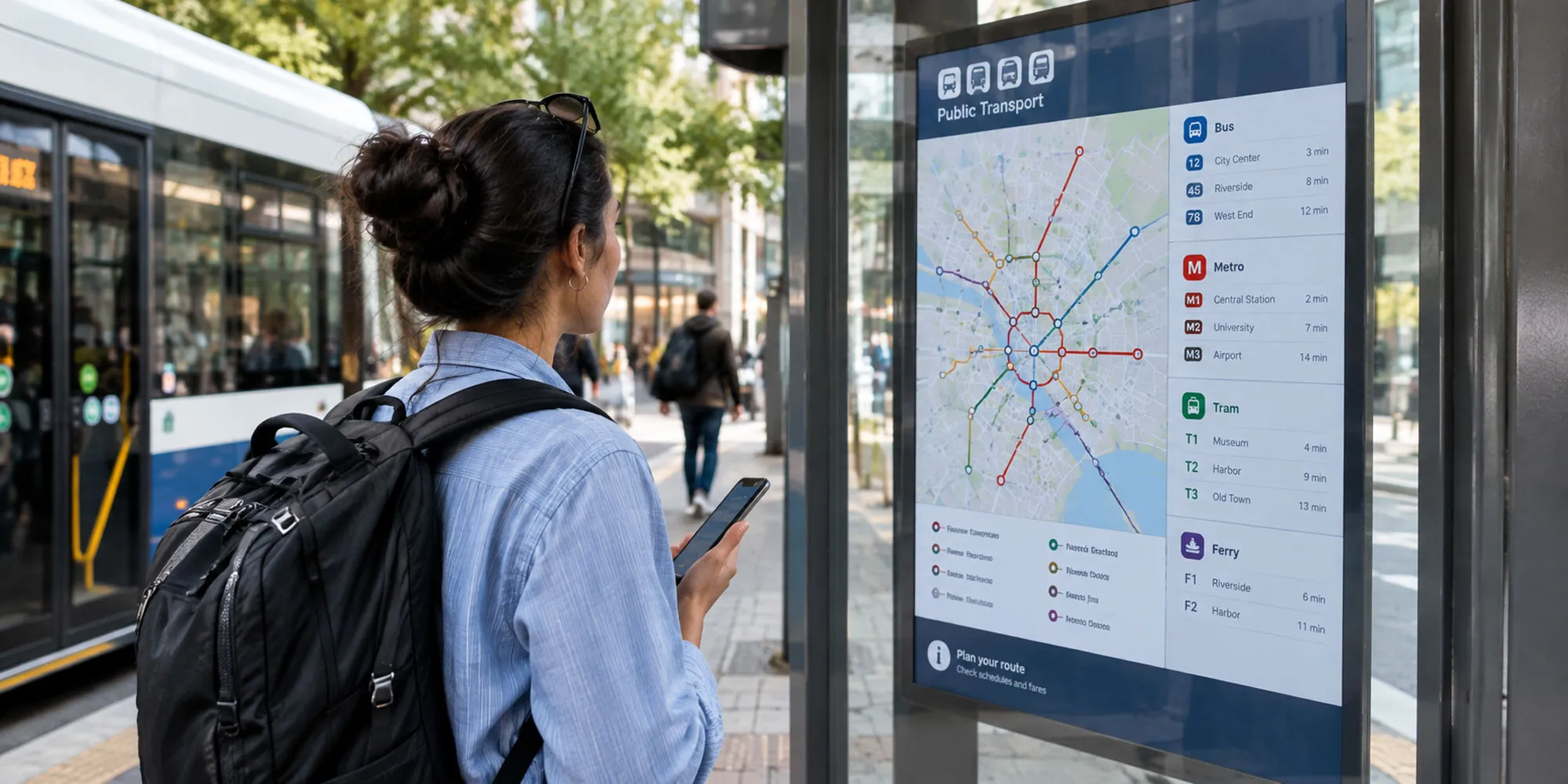
Transportation within your destination and entrance fees can take a significant share of your budget. Planning your route and choosing activities carefully can reduce these expenses.
Use Public Transportation
Research buses, trains, and metro services before arriving. Compare single tickets with day passes or multi-journey tickets based on how often you expect to travel.
Walking between nearby attractions can also reduce transportation costs. Consider safety, weather, and distance before choosing to walk.
Choose Free And Low-Cost Attractions
Many destinations offer public parks, beaches, walking trails, historic neighborhoods, markets, and free cultural attractions. Combine these experiences with a few paid activities that interest you most.
Check whether attractions offer discounted admission or combination tickets. Only purchase a package when you expect to use enough of its included activities to justify the price.
Group Nearby Attractions Together
Organize your itinerary by neighborhood instead of traveling across the city several times a day. This approach reduces transportation costs and leaves more time to enjoy each destination.
Travel Money-Saving Mistakes To Avoid
Small mistakes can undermine an otherwise affordable travel plan. Watch out for these common problems:
- Ignoring extra fees: Baggage charges, taxes, and service fees can increase the final price.
- Choosing accommodation based only on price: A distant hotel may create higher transportation costs.
- Booking without checking cancellation terms: Changing plans can lead to unexpected losses.
- Overscheduling activities: Too many paid reservations can leave little room for flexibility.
- Underestimating small purchases: Drinks, snacks, and coffee can consume a surprising amount of money.
- Leaving no emergency reserve: Unexpected expenses can disrupt your entire budget.
Build A Practical Travel Budget
Affordable travel begins with clear priorities. Decide which experiences matter most, set a realistic spending limit, and compare the total cost of flights, accommodation, food, and transportation.
Before departure, review your reservations, check payment conditions, and estimate your daily expenses. During the trip, track your spending and adjust your plans when necessary.
The goal is not to spend as little as possible on everything. It is to avoid unnecessary costs while preserving the experiences that make travel worthwhile. With thoughtful planning and flexible choices, you can save money on hotels, flights, and food while enjoying a comfortable and memorable trip.